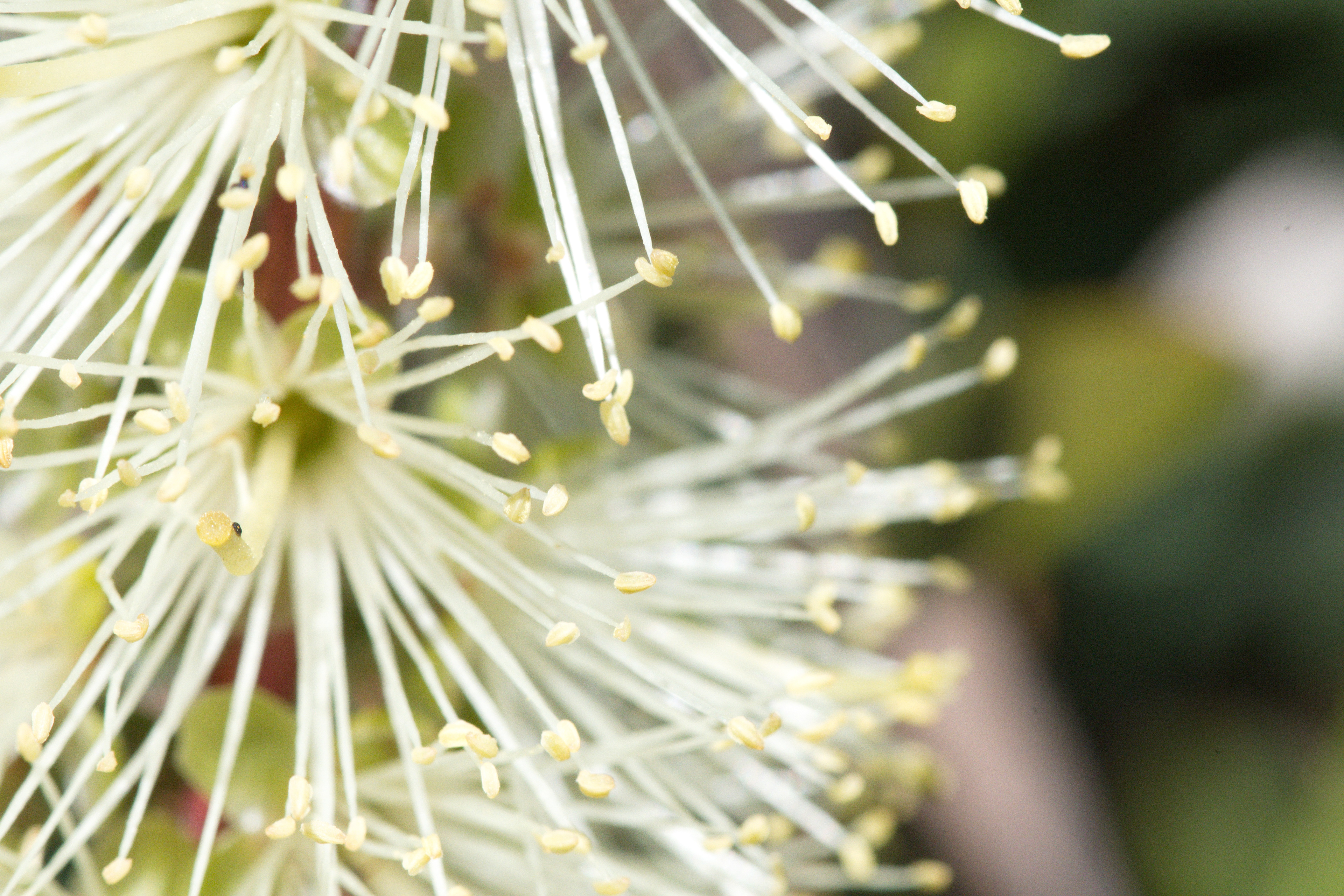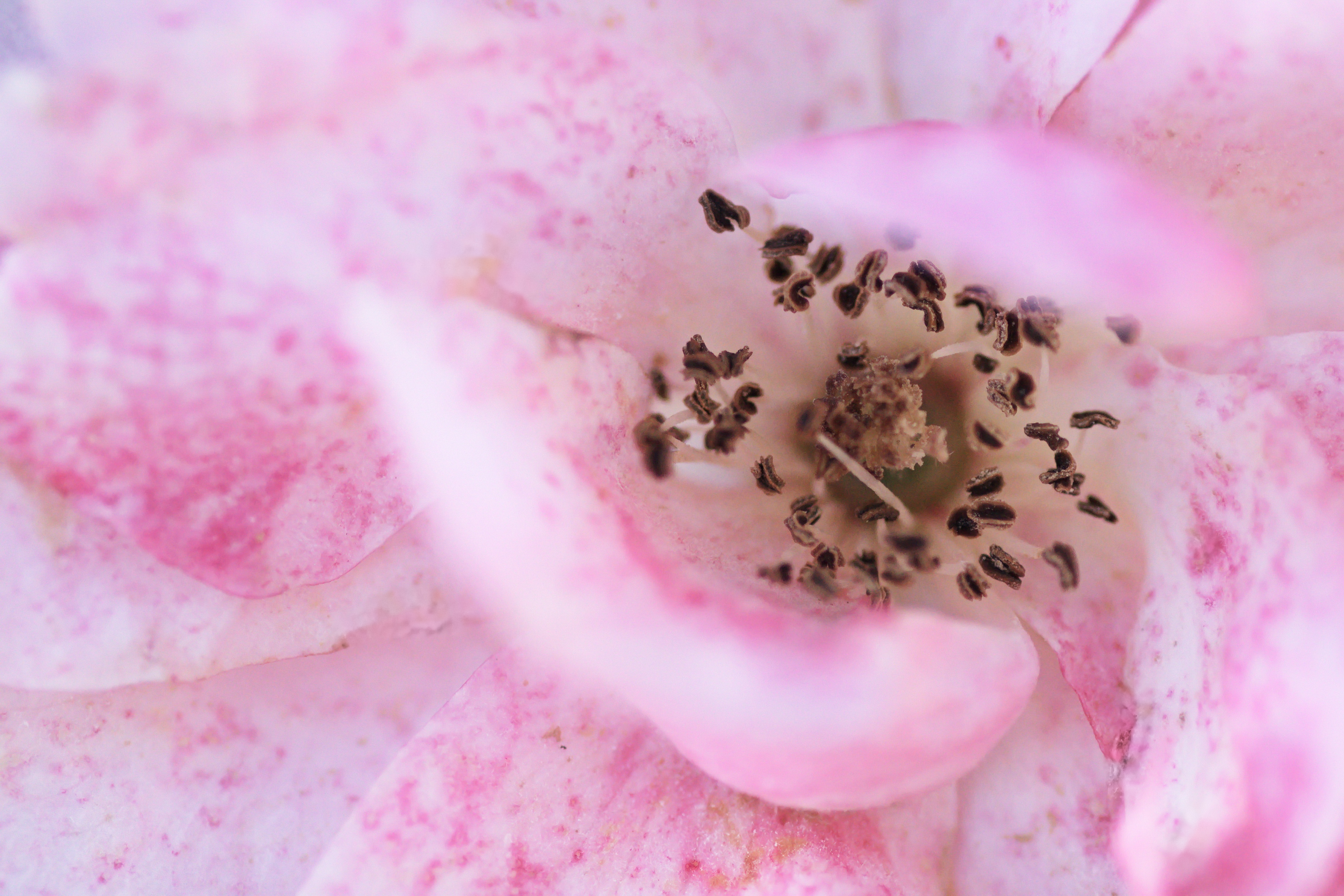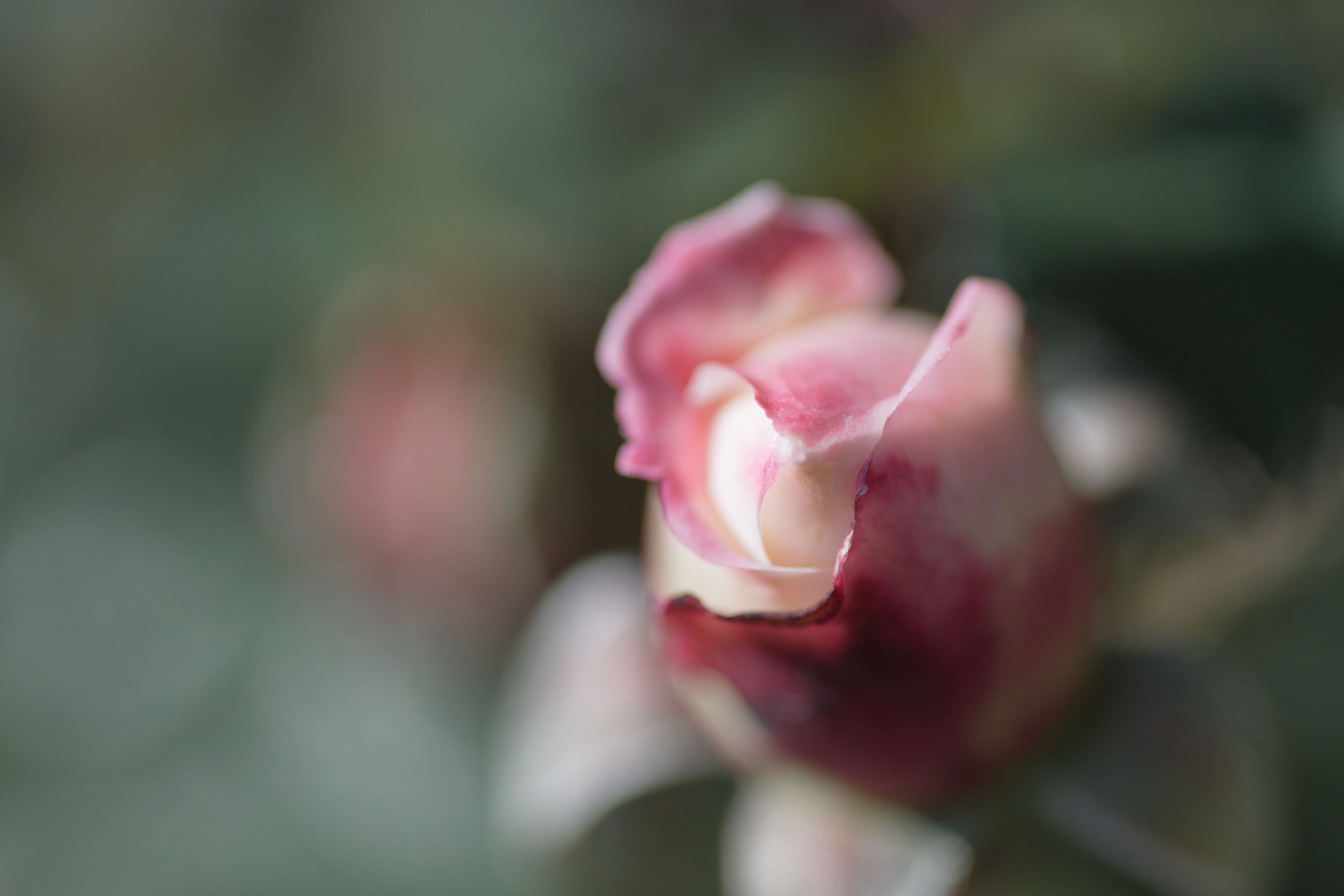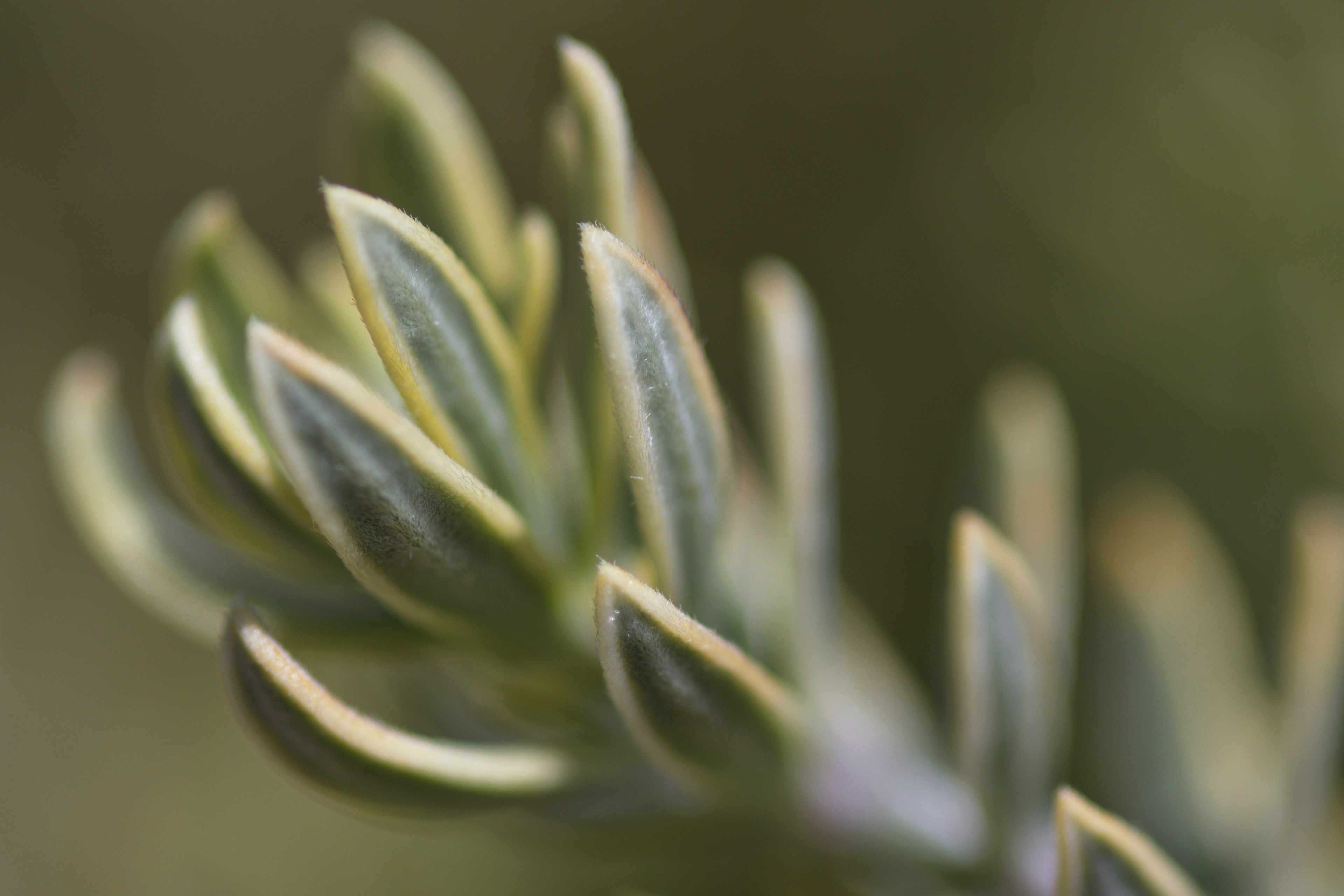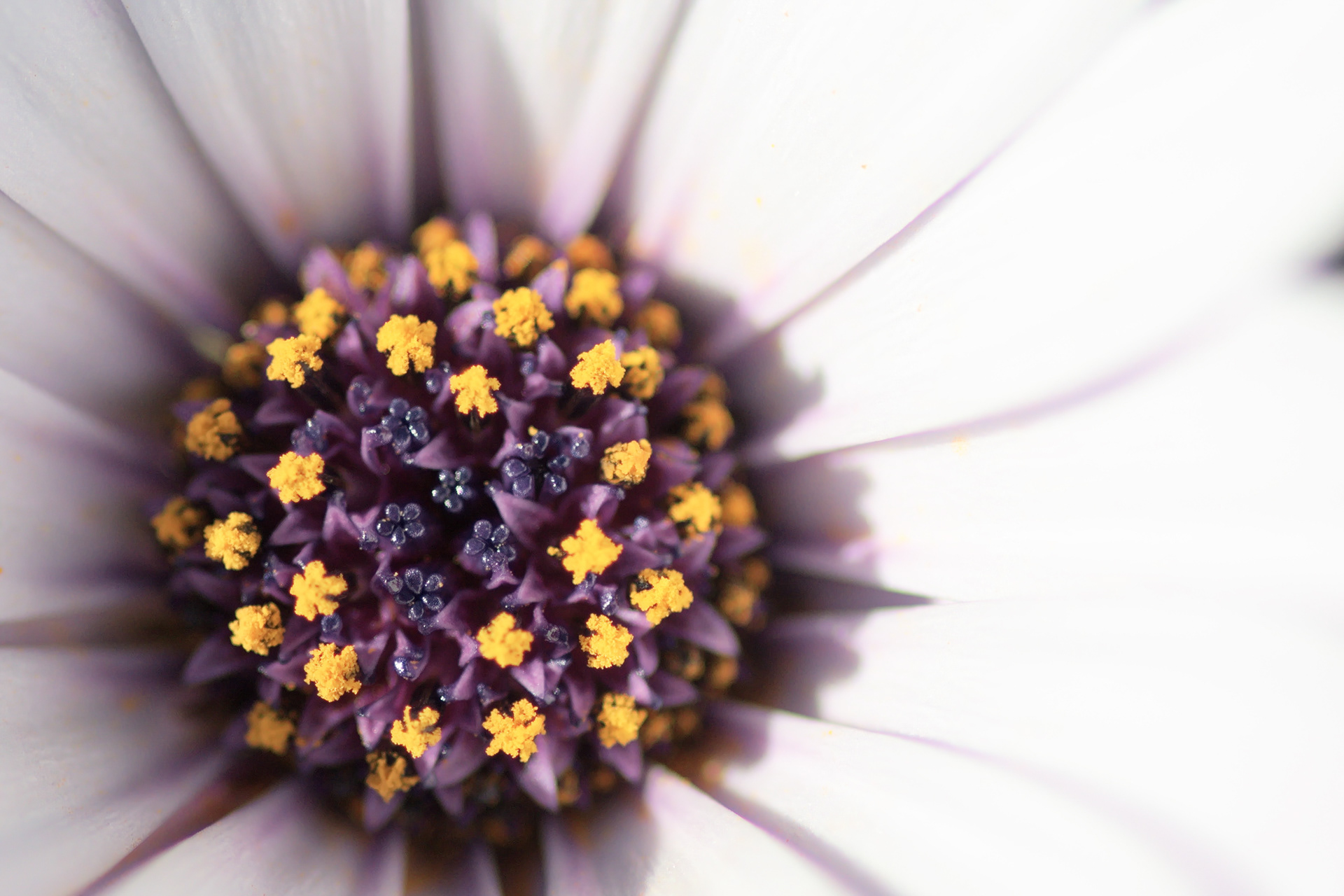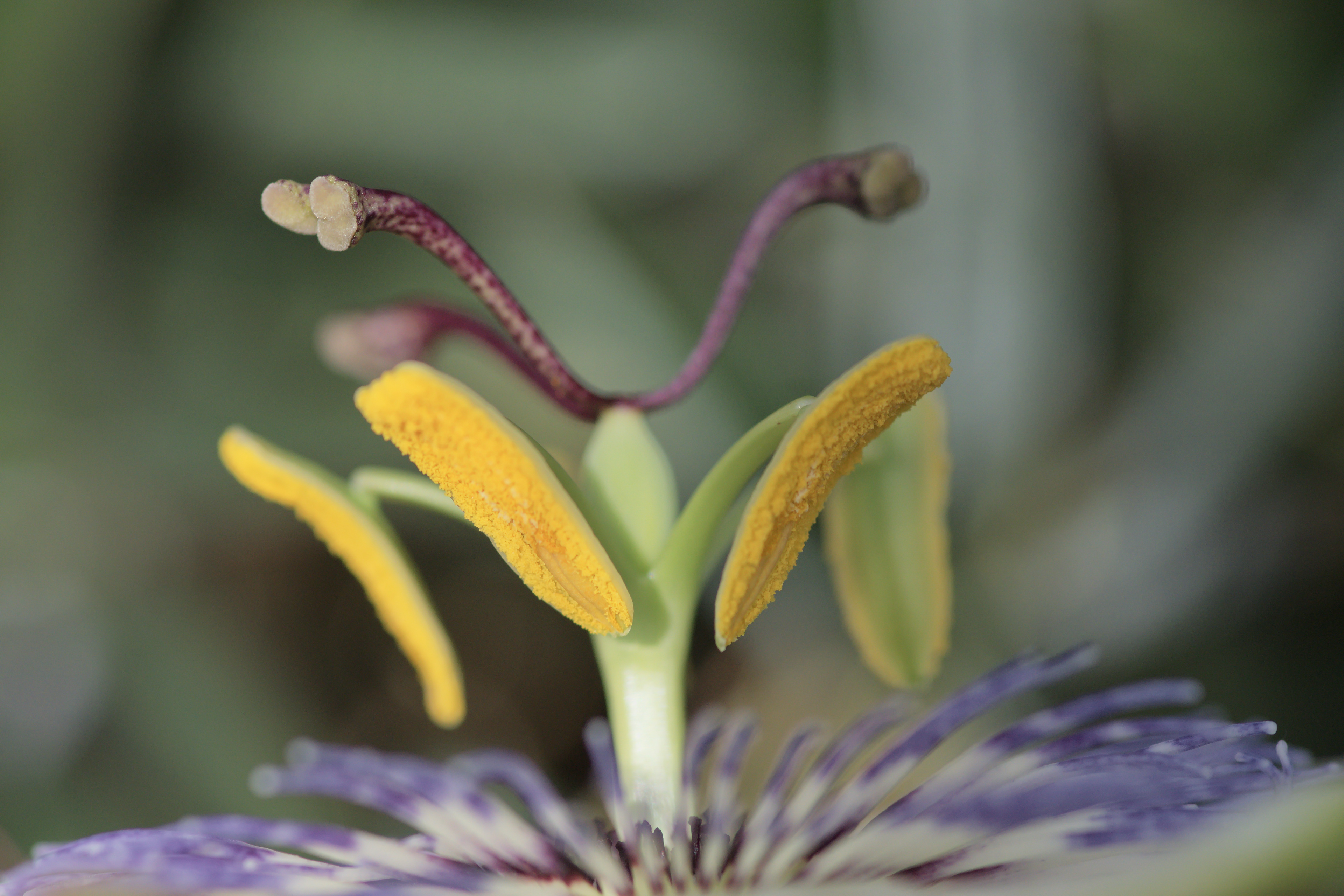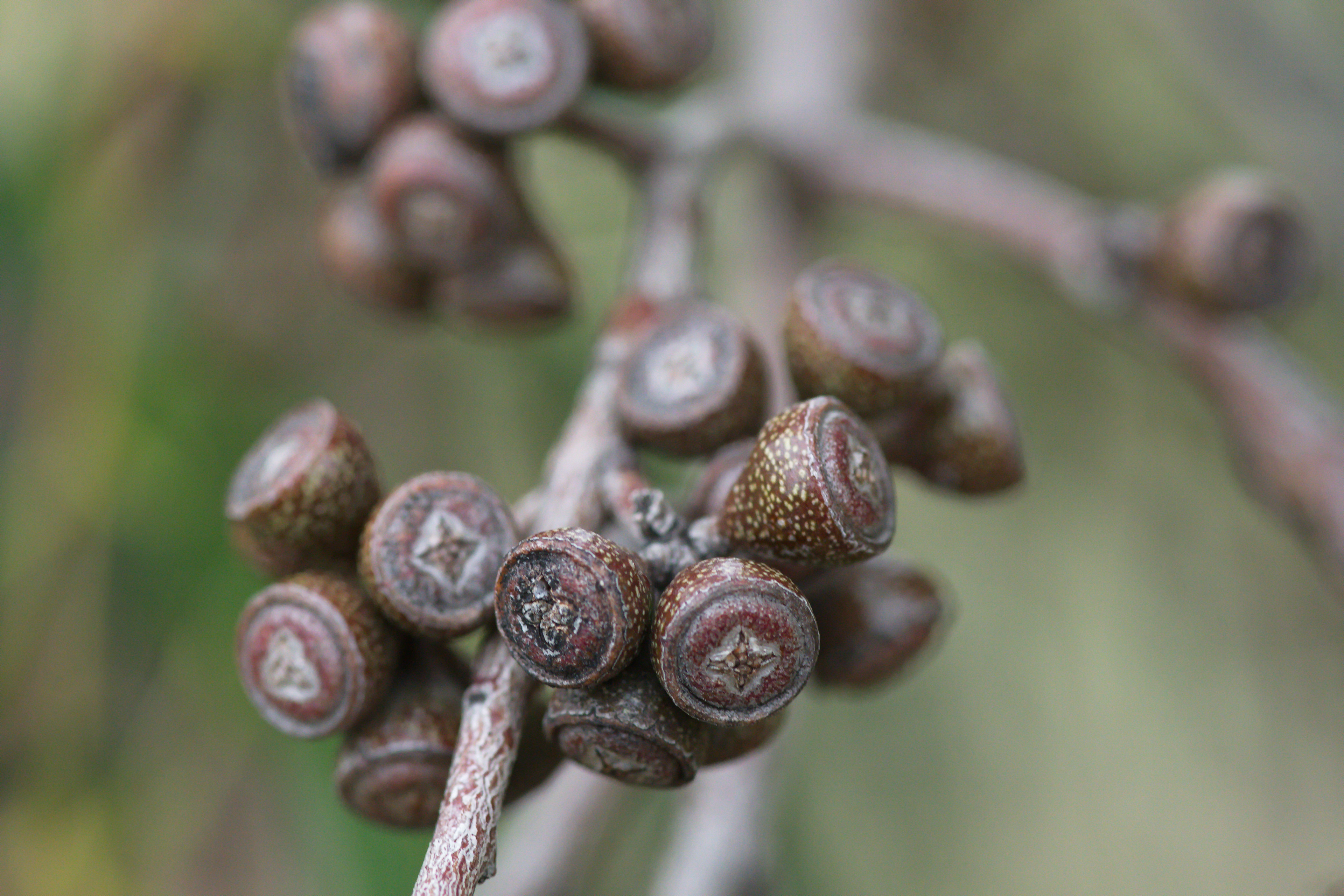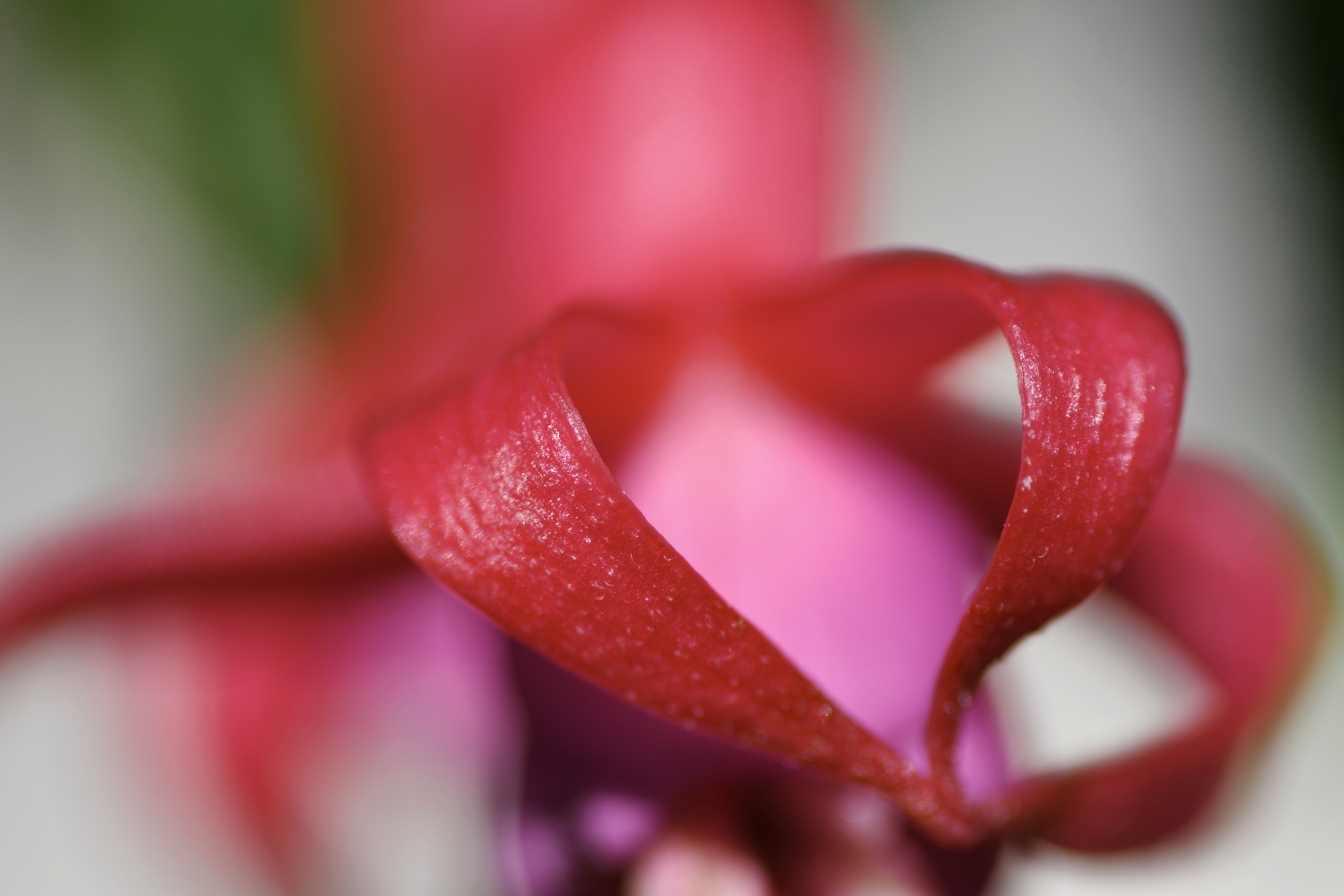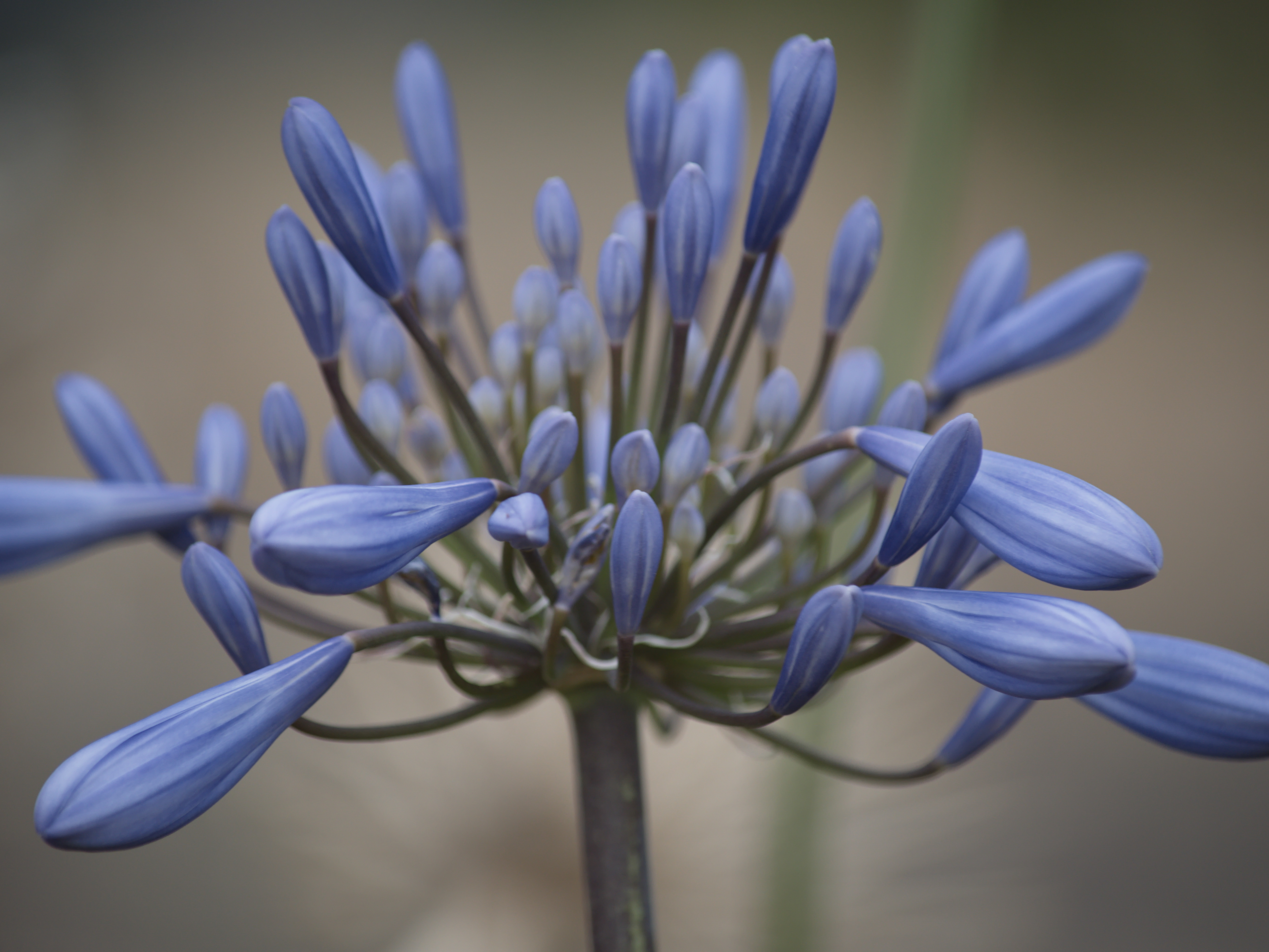
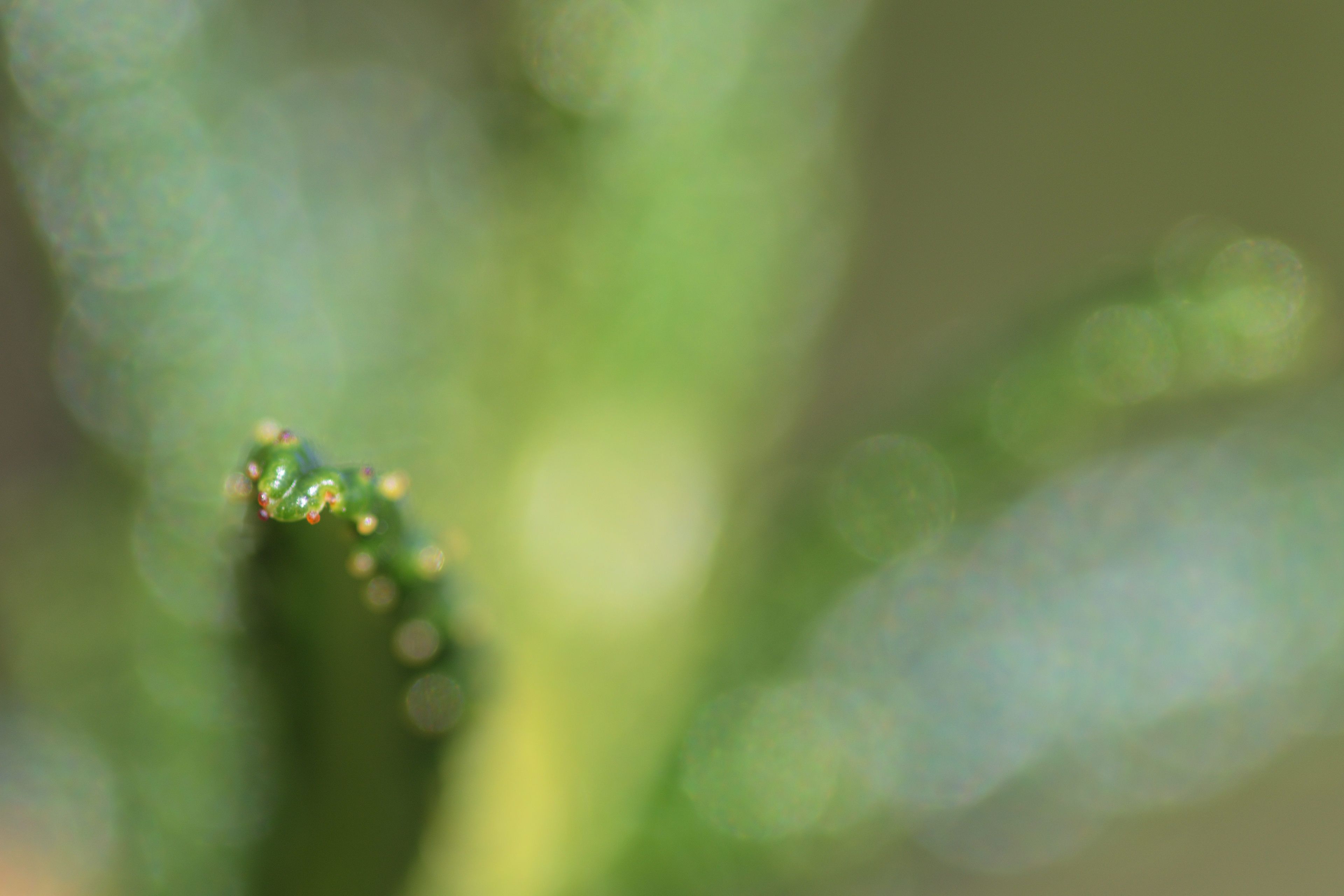
For a month, I explored my garden on acreage in rural Tasmania through a macro lens.
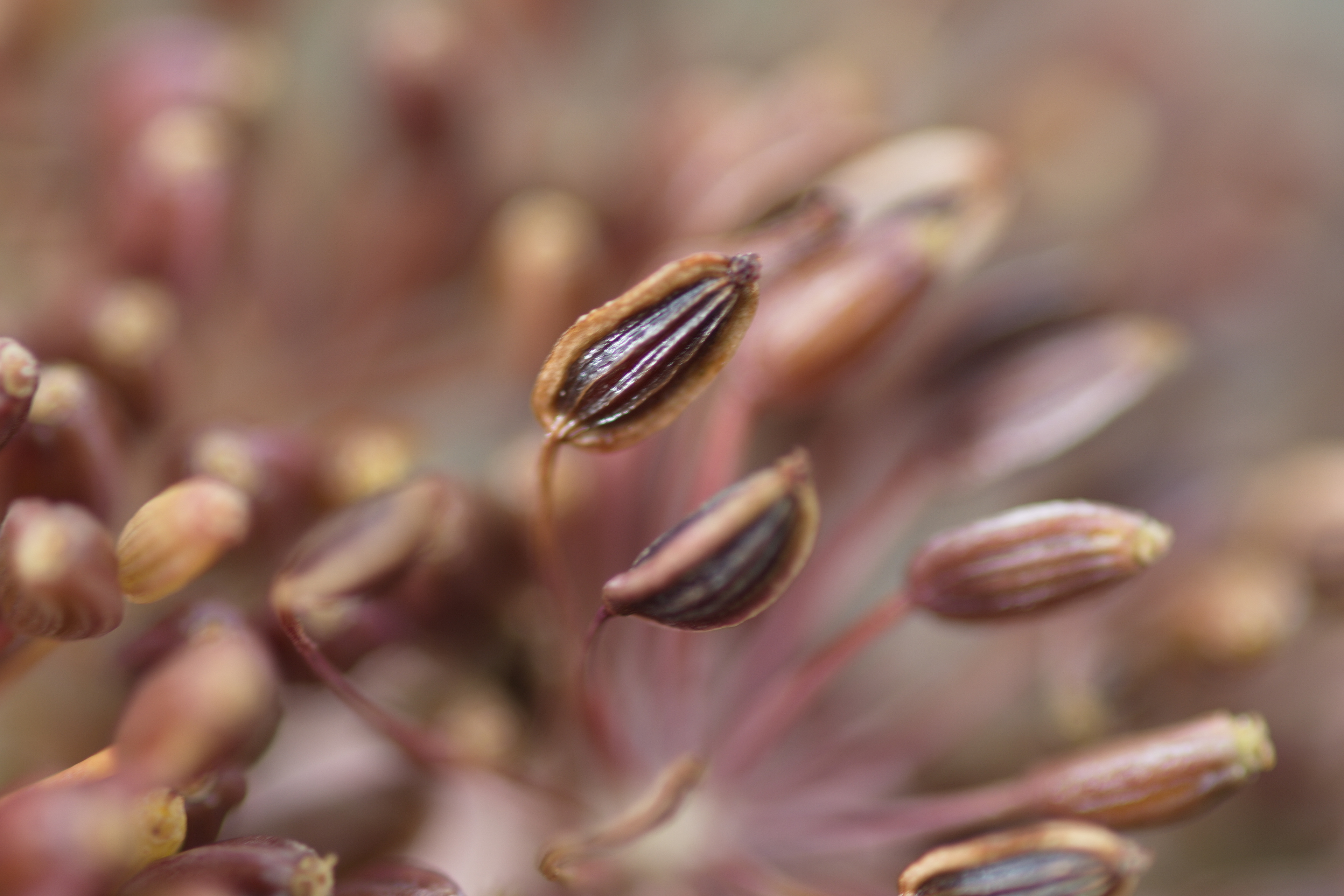
I wanted to look beyond the obvious and discover what was there when I moved closer. I explored flowers, plants, leaves, seeds and all the small details I might ordinarily have passed by, changing my vantage point and experimenting with the lens to see what it could reveal.
I photographed in the rain and wind, on cold days and hot ones. I moved around the garden, looking from above and below, getting closer, changing angles and trying to find different ways of seeing things I lived amongst every day.
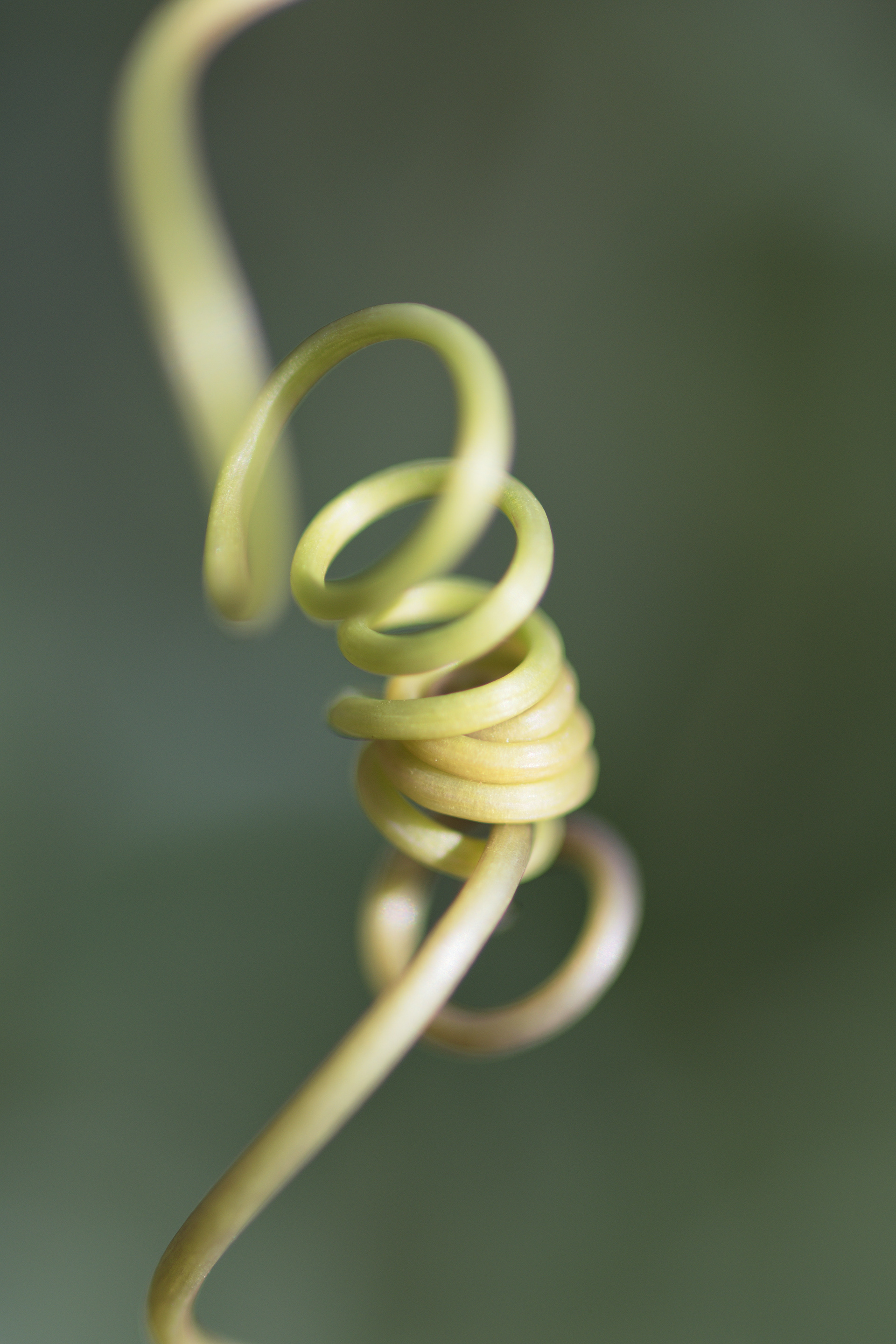
The closer I looked, the more I discovered.
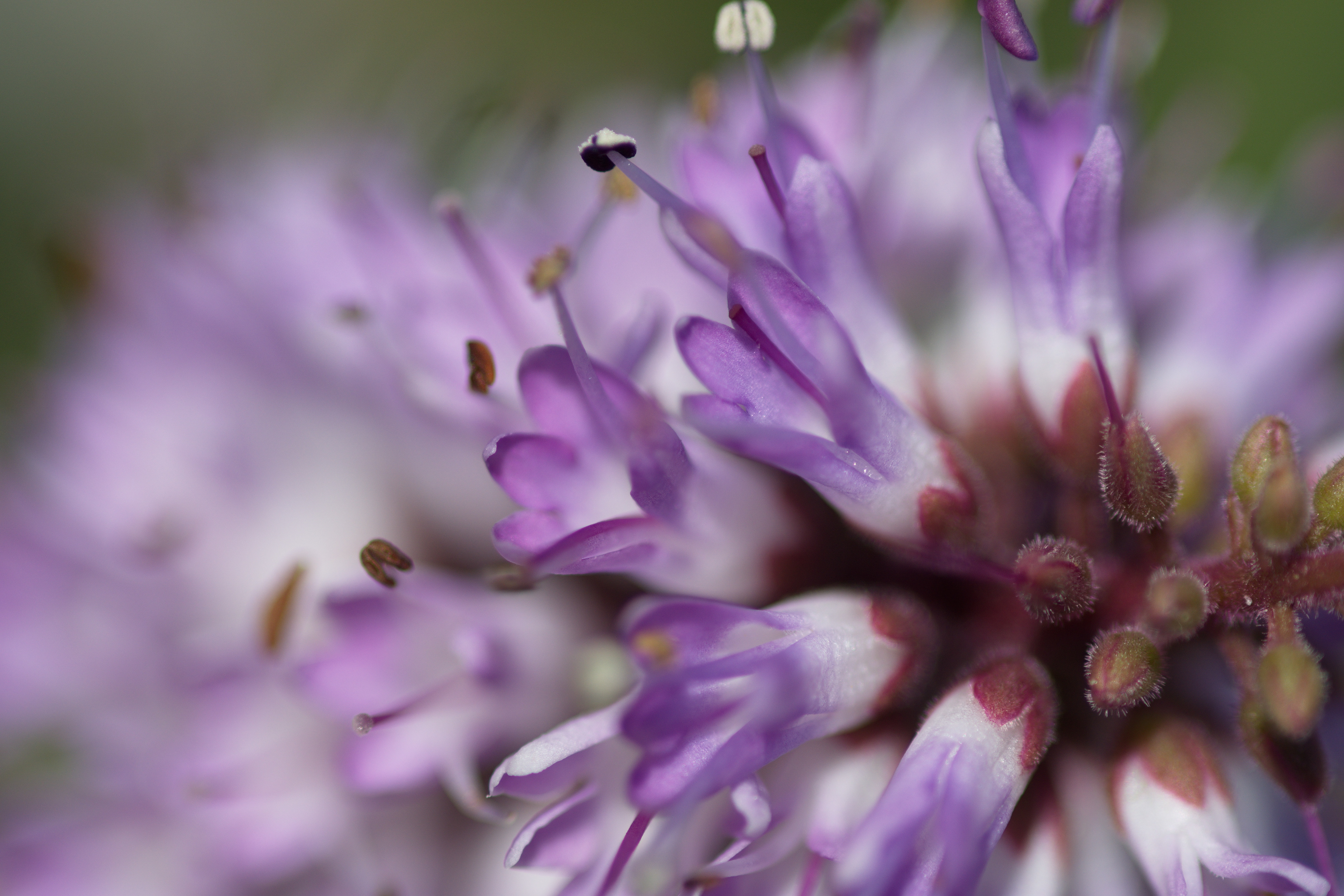
I found pollen caught on petals, tiny hairs along their edges, water droplets resting on leaves and intricate structures inside flowers. I discovered colours and symmetry I hadn't noticed before, and little worlds that seemed to exist within the larger garden.
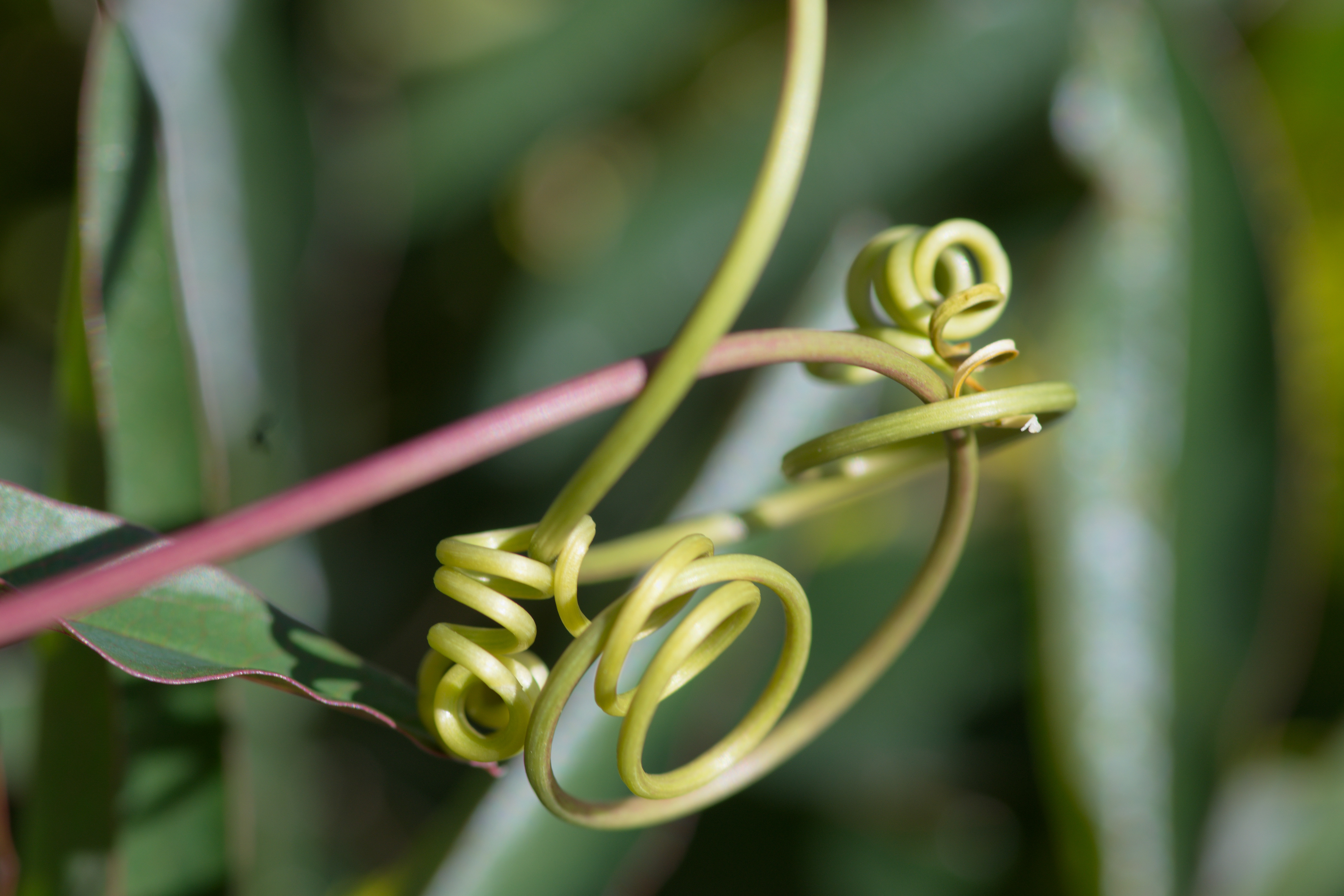
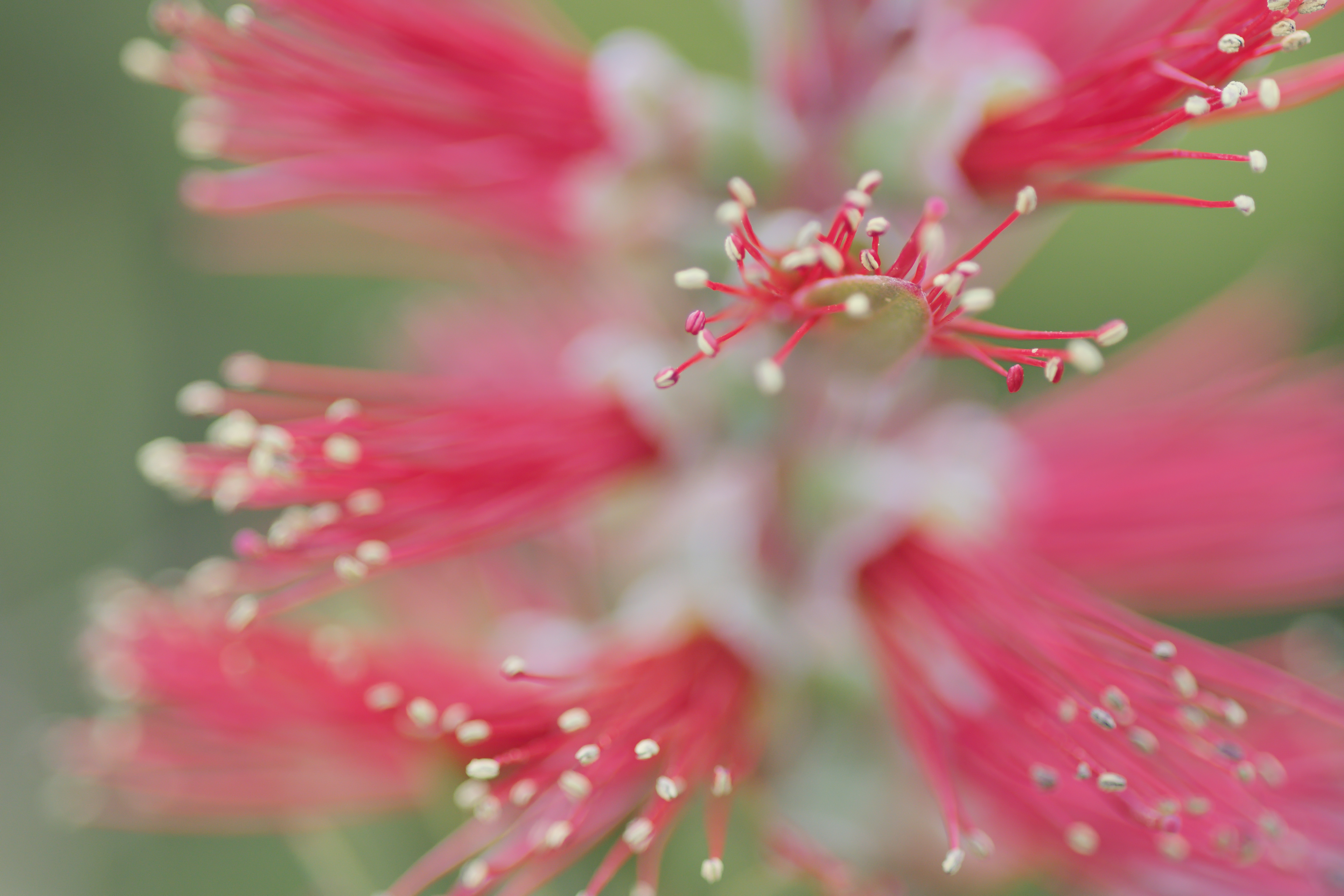
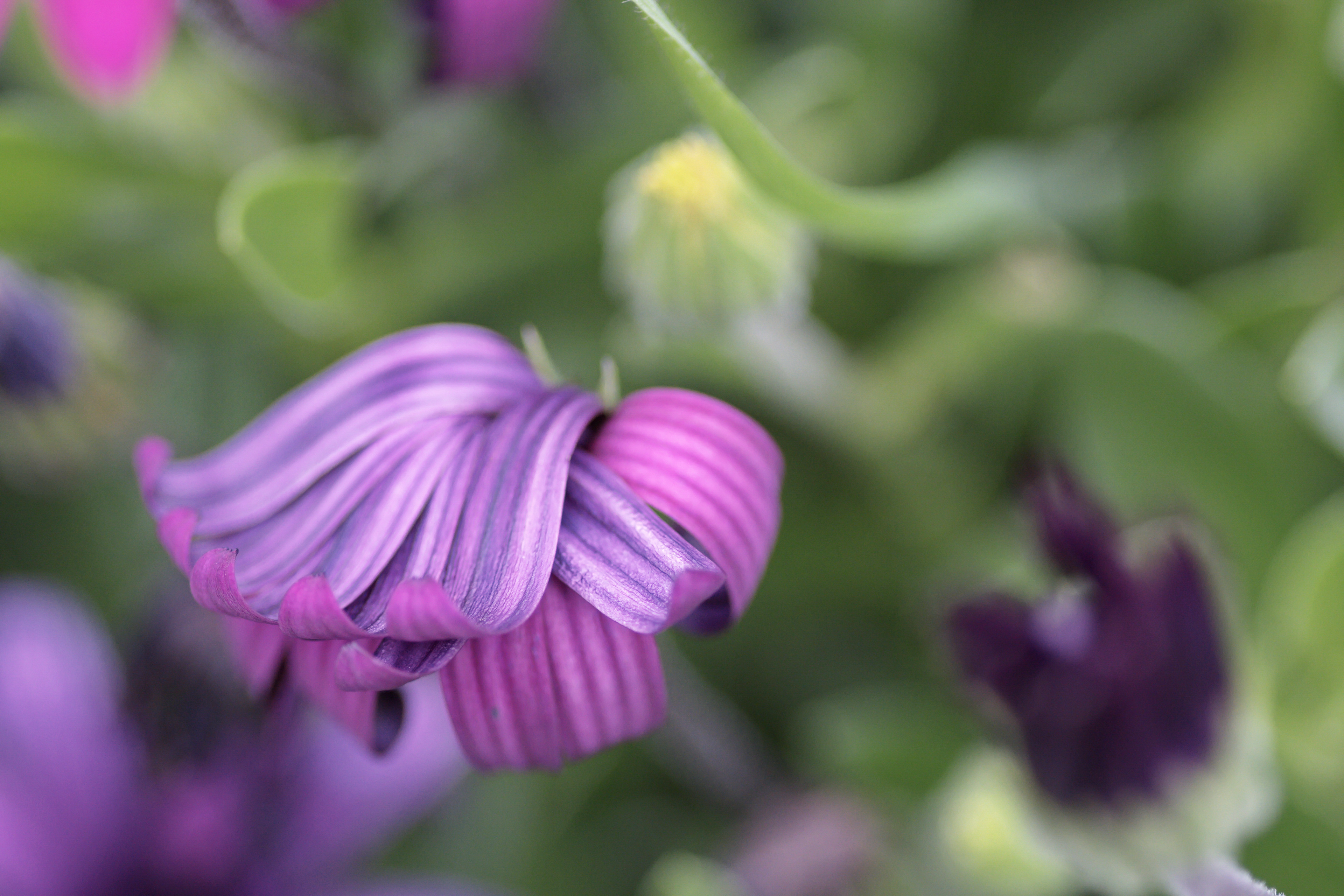
Some things became almost unrecognisable at that scale. A petal could become a landscape. A tendril became a line. The centre of a flower became a pattern of colour and structure.
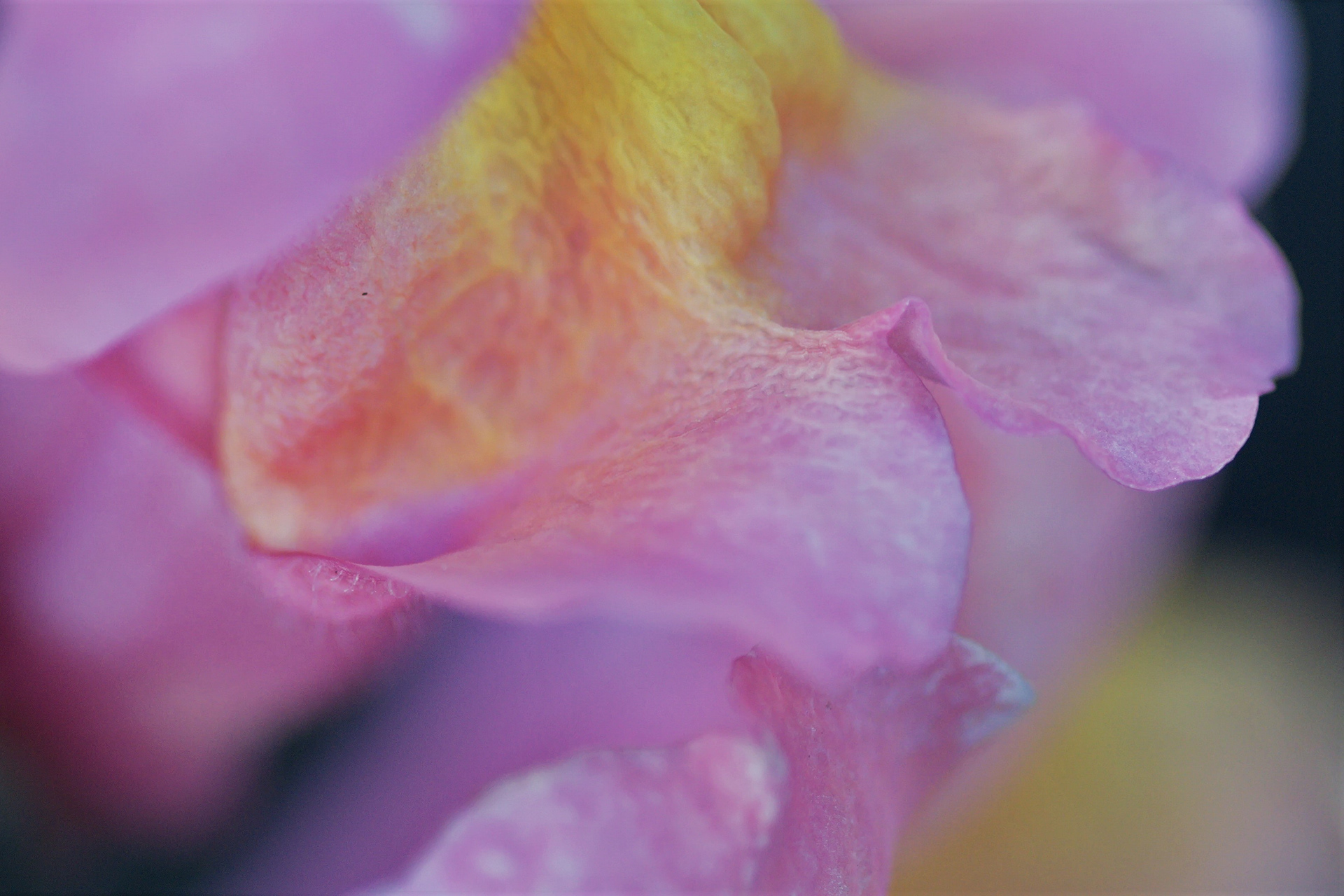
I explored the garden not only by photographing it, but by learning more about what was growing there. I identified plants and flowers I hadn't known before and began to notice similarities amongst seemingly very different things — recurring shapes, textures, structures and patterns appearing amongst all that variety.
I particularly enjoyed exploring the point where the recognisable became almost abstract. Sometimes I wanted to capture the finest detail of a flower; at other times I wanted to move beyond the flower itself and explore its colour, shape, texture and form.
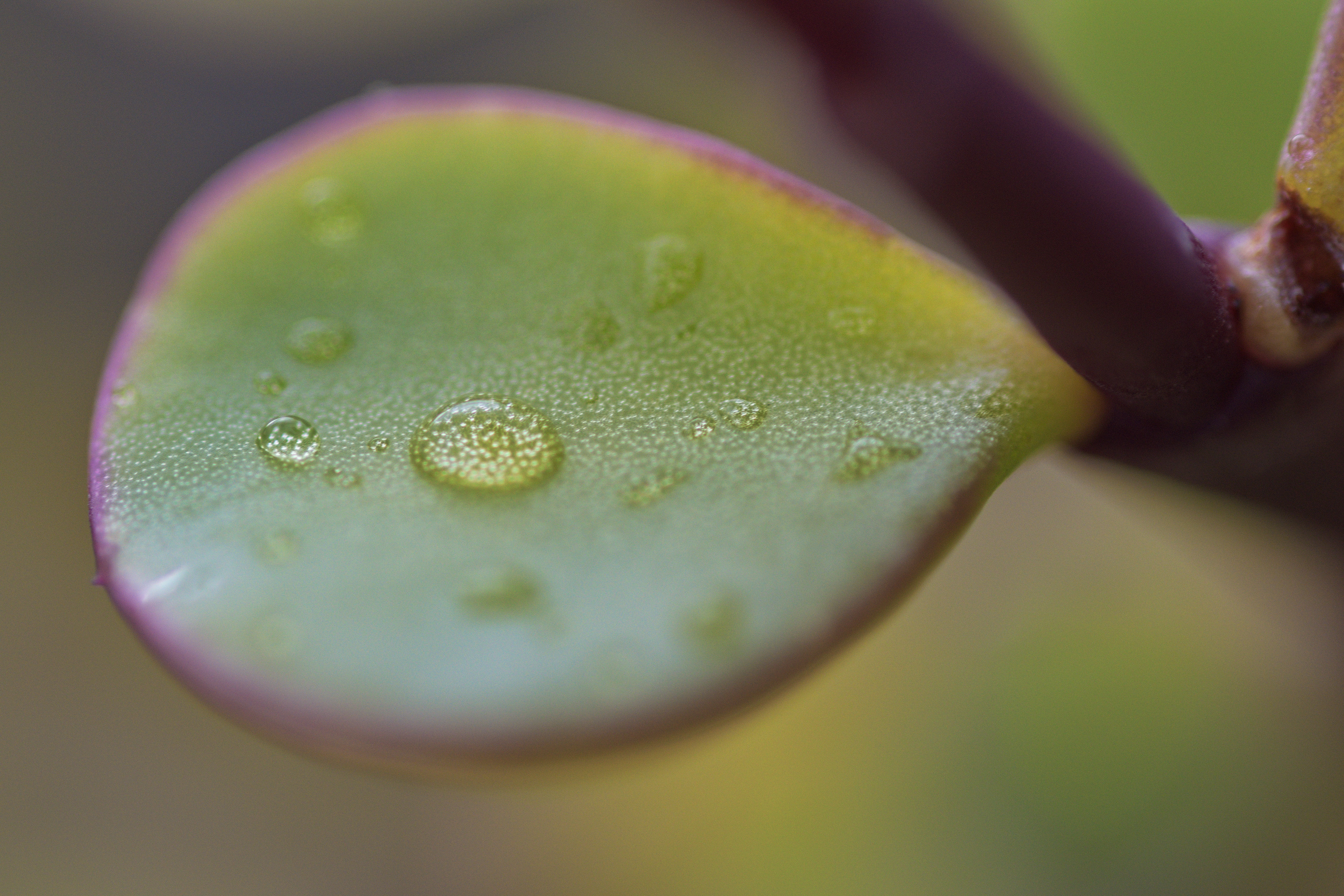
The project was also an exploration of the macro lens itself. I was learning how it worked, what it could capture, where it struggled and how its limitations could sometimes lead me somewhere unexpected.
But what mattered most was that I was doing all of this in my own garden.
Photographing it so closely brought an aliveness to the world immediately around me. I wasn't looking for somewhere extraordinary to photograph. I was exploring what I was already living amongst and discovering just how much life and variety existed within a place I thought I knew.
That month changed the way I looked at the garden.
Even without the camera, I began to notice more — the tiny details, the differences, the similarities and the possibilities that appeared simply by changing where I stood and how closely I looked.
I had set out curious to step beyond the expected expression of my garden and see where it might take me.
I explored what was familiar and discovered how unfamiliar it could become.